

Why Proper Roof Insulation and Ventilation Matter in Humid Climates
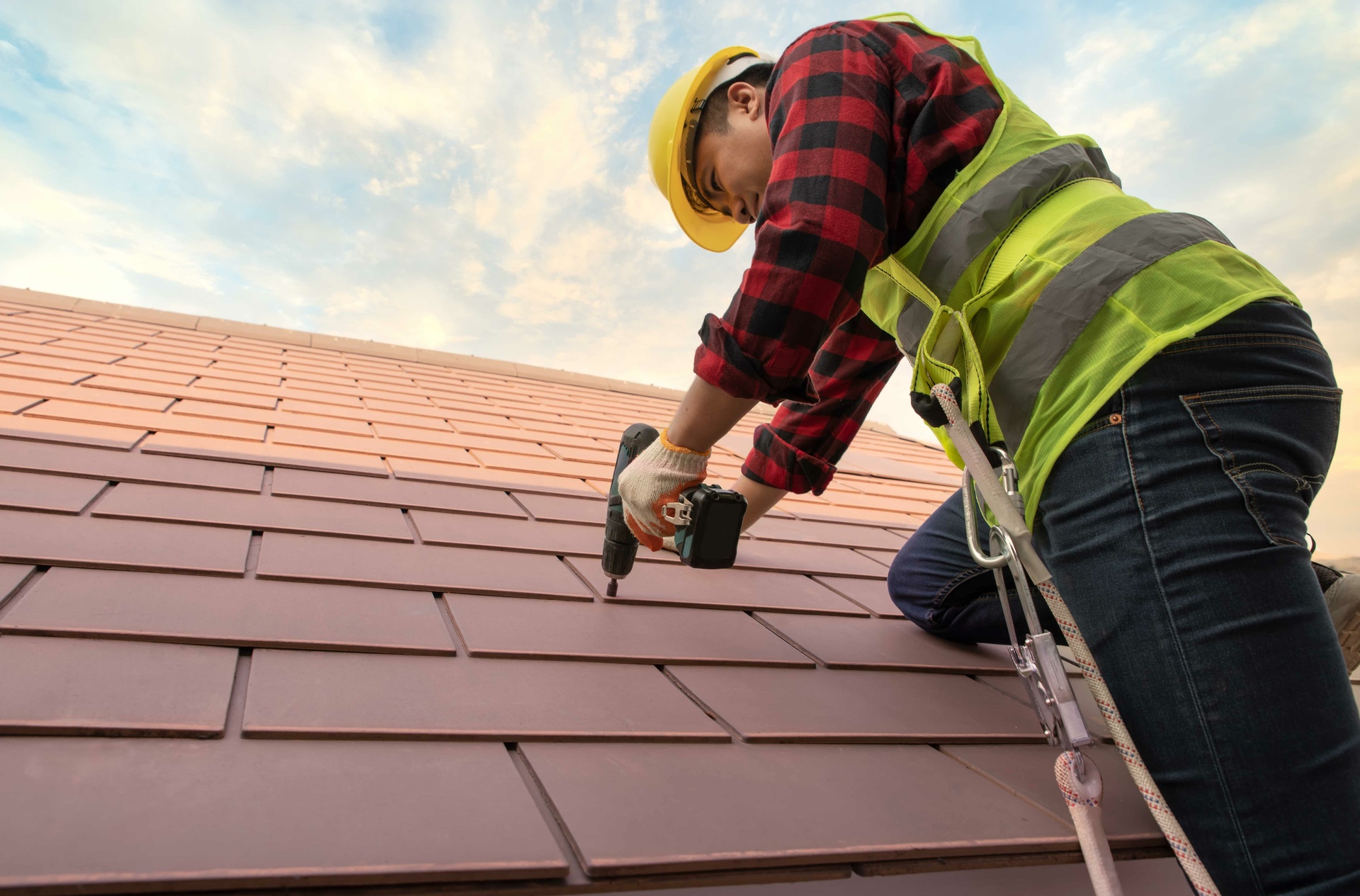

Humidity affects a building from the top down...Insulation and ventilation work together to control moisture and stabilize temperatures”
PEARL RIVER, LA, UNITED STATES, December 4, 2025 /EINPresswire.com/ -- — Timothy Bain
Humid climates present unique challenges for residential and commercial structures. High moisture levels, temperature swings, and limited natural airflow can create conditions that affect structural longevity, occupant comfort, and overall building efficiency. Roof insulation and ventilation play a central role in managing these challenges, particularly in Gulf Coast environments where heat and humidity remain present most months of the year.
Timothy Bain, CFO of Gulf Coast Roofing in Pearl River, Louisiana, has extensive experience observing how indoor conditions change when roofing systems are properly insulated and ventilated. “Humidity affects a building from the top down,” Bain said. “Insulation and ventilation work together to control moisture and stabilize temperatures.”
Proper roof insulation and ventilation function as a combined system. Insulation helps regulate heat transfer, while ventilation allows trapped moisture and warm air to escape. When either component is insufficient, the building experiences issues ranging from mold growth to high energy usage. These problems often begin in the attic or roof deck and slowly impact the rest of the structure.
Temperature Regulation and Comfort
Humid climates trap heat inside roof systems. Without insulation, roof surfaces absorb and store that heat, allowing it to penetrate the living space below. As temperatures rise throughout the day, roofs radiate stored heat downward, causing indoor temperatures to climb and forcing cooling systems to work harder.
Insulation slows this transfer. A properly insulated roof deck stabilizes indoor temperatures, prevents heat from entering living spaces, and reduces strain on cooling systems. Ventilation complements insulation by allowing hot air to escape instead of building pressure in the attic.
Balanced insulation and ventilation create a more stable environment, reducing sudden temperature spikes inside the home or building.
Moisture Control and Mold Prevention
Moisture remains one of the biggest threats to roofing systems in humid climates. Warm, moist air tends to rise and collect in attic spaces. Without ventilation, this moisture becomes trapped against the roof deck. Over time, trapped moisture can lead to mold growth, wood rot, and damaged insulation.
Ventilation systems—such as ridge vents, soffit vents, and attic fans—allow moist air to move freely out of the roof structure. Insulation reinforces this process by preventing excess condensation from forming on cool surfaces.
Bain emphasizes that moisture management determines how long a roof system lasts. “Uncontrolled moisture weakens materials and creates long-term issues. Proper ventilation removes that moisture before it becomes a problem,” he said.
Energy Efficiency and Operational Costs
Buildings in humid climates often rely heavily on air conditioning. Without sufficient insulation, cooling systems must compensate for constant heat intrusion from the roof. This leads to higher energy usage, increased wear on equipment, and greater temperature fluctuations.
Proper insulation acts as a barrier, reducing the amount of heat entering the interior. Ventilation assists by removing trapped hot air at the roof level, preventing temperature buildup before it affects indoor spaces.
Together, both systems create a more efficient building envelope. HVAC systems operate under less stress, and cooling cycles remain more predictable.
Improved Air Quality
Air quality frequently declines in structures with poor insulation and ventilation. Humidity that becomes trapped in attic spaces eventually spreads throughout the building, carrying allergens, mildew, and airborne contaminants.
Ventilation helps release stale, moisture-laden air while pulling in drier air through passive intake points. This exchange supports a healthier indoor environment.
Insulation prevents warm, humid attic air from reaching interior surfaces, minimizing opportunities for microbial growth. Buildings with balanced systems experience fewer odor issues, fewer allergens, and more stable air quality.
Extended Roof Lifespan
High moisture levels accelerate the breakdown of roofing materials. Shingles curl, adhesives weaken, metal components corrode, and decking absorbs moisture over time. Heat combined with humidity intensifies this wear.
Ventilation protects the roof structure by reducing heat buildup beneath the roof deck. Insulation protects the interior side of the structure from moisture intrusion and temperature extremes.
This combined protection helps roofing systems maintain integrity longer and perform as intended throughout their designed lifespan.
Bain explains that roof longevity often reflects the quality of the internal environment. “A roof lasts longer when heat and moisture are under control,” he stated.
Prevention of Ice Damming in Cooler Regions
While Gulf Coast regions rarely experience extended freeze conditions, some areas—such as northern Alabama, northern Georgia, and parts of Arkansas—experience occasional winter temperatures. In these regions, poor ventilation can allow warm air from the interior to melt snow on the roof. The melted snow then refreezes at the roof edges, creating ice dams that trap moisture beneath shingles.
Proper insulation prevents heat from rising unevenly into the attic, while ventilation keeps roof surfaces at consistent temperatures. This reduces the risk of ice formation and protects roof materials from freeze-related damage.
Structural Stability and Material Protection
Humidity and heat affect more than the roof exterior. Trapped moisture can weaken rafters, compromise fasteners, and degrade adhesives. Insulation and ventilation work together to reduce temperature swings and moisture levels that impact structural materials.
Lower moisture levels prevent expansion and contraction cycles that stress wood and metal components. Over time, this stability helps protect the entire framing system beneath the roof.
Conclusion
Humid climates place significant stress on roofing systems, making insulation and ventilation central components of building performance. Proper insulation slows heat transfer, supports stable indoor temperatures, and prevents condensation. Ventilation releases moisture and heat from attic spaces, reducing material wear and improving air quality.
Bain summarizes the core principle clearly: “Roof systems perform best when insulation and ventilation work together.”
As building standards continue to evolve across the Gulf Coast and Southern states, a greater emphasis on insulation and ventilation will remain essential for protecting structures, supporting comfortable indoor environments, and extending the lifespan of roofing materials.
Morgan Thomas
Rhino Digital, LLC
+1 504-875-5036
email us here
Visit us on social media:
Facebook
Legal Disclaimer:
EIN Presswire provides this news content "as is" without warranty of any kind. We do not accept any responsibility or liability for the accuracy, content, images, videos, licenses, completeness, legality, or reliability of the information contained in this article. If you have any complaints or copyright issues related to this article, kindly contact the author above.
